
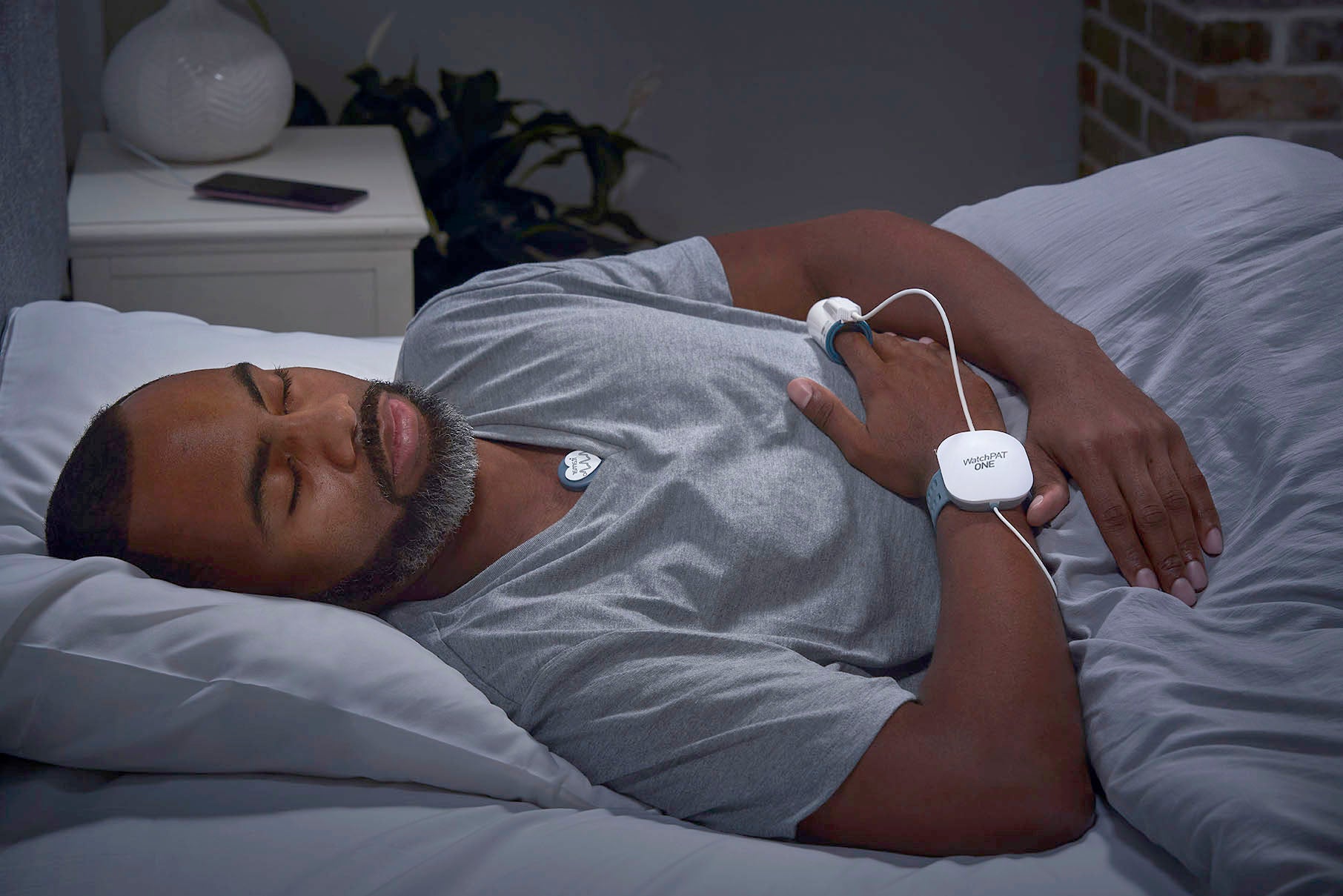
The most effective treatment for obstructive sleep apnea is called Continuous Positive Airway Pressure, (CPAP) therapy, which delivers a steady stream of air pressure to the user’s airway during sleep. But it is always best to adapt your CPAP so that it fits you the most so that both effectiveness and comfort are met. It has to do with choosing the right mask, pressure regulation, and all the other components that have to meet your inclinations. Below is a checklist, which when done correctly, will go a long way in helping you get the best from your CPAP therapy.
Selecting A Correct Fitting CPAP Mask
Undoubtedly, the mask is one of the most significant components of your CPAP equipment you have. Choice of the right mask has a great impact on one’s comfort during therapy as well as the effectiveness of therapy. Here are some options to consider:
Nasal Masks: These masks are just for the nose and should fit those that breathe through their nose while sleeping. They are not as invasive and most of the CPAP users prefer to use this type of masks French 3.
Full-Face Masks: These types of masks that fully cover both the nose and the mouth are most suitable for people who mostly breathe through the mouth or if their nasal passage way is blocked. These maintain a good seal and are suitable for severe cases of sleep apnea.
Nasal Pillows: These are small softens that are in inserted into the nostrils as a means of use. They are less heavy surfaced and designed in a simplistic manner, and if one prefers not to wear masks due to discomfort, they are designed for you.
Hybrid Masks: Based on the idea of using both nasal and full-face masks, the hybrid devices are relatively versatile and comfortable for users with particular requirements.
On the choice of the mask like type, size, comfort, and any airflow leakage should be taken into consideration. Speak to a CPAP store in Canada to get advice on, and fittings for the right mask that you will use during the therapy.
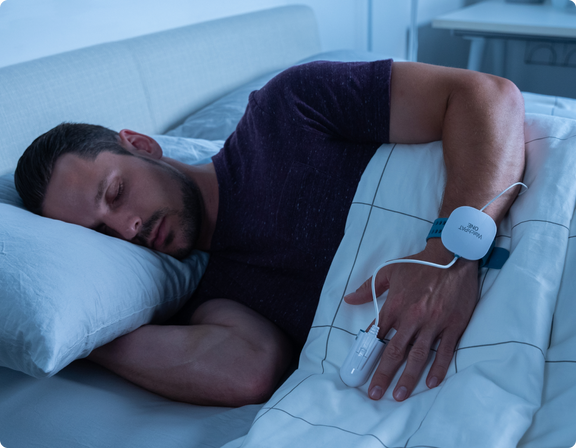
Adjusting Pressure Settings
Treatment pressure is one of the factors that impact your CPAP therapy greatly. These settings should however, be set according to your sleep requirements, which are often established after a polysomnogram test and your doctor. Here’s a look at the types of pressure settings you might encounter:
Fixed Pressure CPAP: These allow the setting to maintain a continuous constant pressure throughout the night. It is convenient and simple for most people, but it can become necessary to make some modifications if some of the parameters are changed.
Auto-Titrating CPAP (APAP): The APAP machines determine the pressure throughout the night on the basis of the breathing rhythm and the individual’s requirements. It could also improve comfort and effectiveness of the therapy since patient can choose shoes that they feel more comfortable with.
BiPAP: Sometimes if the user needs to have a different pressure for inhalation and exhalation, this might be prescribed a BiPAP (Bilevel Positive Airway Pressure) machine. It provides variable forces to perform the task of reducing pressure during human breathing.
Your healthcare provider will determine the proper pressure settings depending on the nature of the case that you are suffering from. Discuss your therapy progress with your doctor and contact your CPAP store in Canada if you are in need of changes or alteration of your settings.
Additional Customization Options
Humidification: Most CPAP machines have an in-built humidifier or have accessories that are available in the market. Changes in the environmental conditions can lead to a dry throat and dried out nasal passage way and clearing the humidity can prevent this.
Ramp Time: The ramp is incorporated into the device to enable the machine to begin at a slower pression and built up to the correct pressure. It might be less difficult to reduce the time spent in sleep and synchronise with the therapy.
Exhalation Relief: Some models have additional functions that lower the pressure during the exhalation which contributes to patients’ comfort and the process of deflation.
Pro inquiring the CPAP store Canada
For more information and client-centered advice, your CPAP store in Canada will be of great help. They can help with mask fittings, suggestions for add-ons, and organising help in getting the right pressure. Moreover, they can provide follow-ups and recommendations on how to solve any problems with your CPAP therapy and make it as comfortable as possible.
Conclusion
Coping and adjusting also does not merely end at adjusting your machine, it involves several processes. The issues related to the choice of a mask, regulation of pressure, and use of extra functions enable one to optimize the use of CPAP therapy, increase the level of comfort during it. Taking advice from your store that offers CPAP services in Canada and also involving your health care provider will help in guaranteeing that your CPAP is appropriate for your necessities hence improving your sleep and overall well-being.