
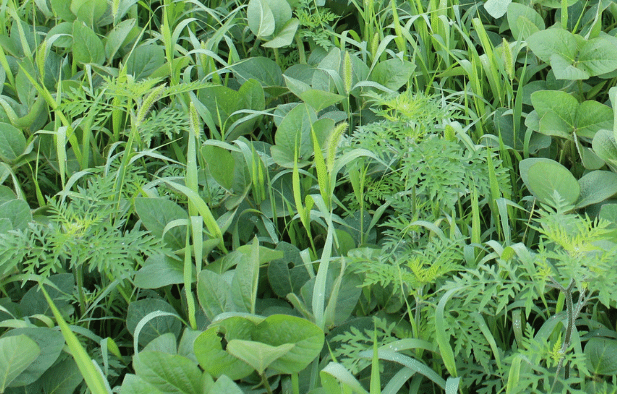
Residual weed control products are valuable tools for Canadian farmers. It’s important to understand the nuances in re-cropping flexibility and plant back intervals to maximize their effectiveness on farm.
The Role of Residual Herbicides
Residual help farmers manage flushing weeds while the crop gets established. Depending on application timing and product performance, residual herbicides can help improve crop establishment, offer flexibility in timing the next herbicide application or reduce the need for another herbicide pass. Not all residual herbicides are the same so it’s important to understand the product’s re-cropping and plant-back intervals.
Key factors affecting residual herbicide performance include:
- Type of soil: Clay and organic matter can impact the efficacy and cropping rotations with certain residual herbicides.
- Rainfall: Increased rainfall can accelerate herbicide degradation and potential for leaching, reducing the levels of residues, but increasing the possibility risks of environmental dispersion.
- Temperature: Warmer conditions generally accelerate microbial activity and herbicide degradation, shortening the plant-back period, however it can differ based on other factors.
Crop Sensitivity to Residual Herbicides
The sensitivity of crops to residual herbicides varies for genetic and physiological reasons. Being aware of the sensitivity of crops based on your herbicide plan are important for a cropping rotation that involves residual herbicides.
In the Canadian agricultural context, crops such as canola, pulses and cereals have unique tolerances to certain active ingredients, so herbicide selection must be done carefully and re-cropping restrictions obeyed. For example:
- Canola: Generally sensitive to sulfonylurea and imidazolinone herbicides with longer intervals of planting However this can all vary based on rates, soil type and weather, to name a few.
- Pulses: Very sensitive to some group-2 herbicides, so rotation planning must be very precise.
- Cereals: In general, more tolerant with shorter plant-back periods for many residual herbicides.
Practical Plant-Back Interval Management Guidelines
Famers can be proactive to maximize the benefits of their crop rotation and herbicide plans.
1. Understand Herbicide Labels and Guidelines
When applicable product labels include re-cropping restrictions for specific crops. These are based on extensive research and contain very important information necessary for planning safe rotations. Farmers should review labels carefully and take into account other factors such as soil pH, moisture levels, and application rates.
2. Test Soil Residue Levels
Soil testing can be conducted to identify herbicide residue levels prior to planting. This is especially true following seasons with below-average rainfall, which is not unheard of in the western Canadian prairies, as some herbicides may persist for longer periods than expected.
3. Rotate Crops Strategically
Strategic crop rotation reduces herbicide carryover risks and generally improves soil health.
4. Utilize Herbicides with Different Modes of Action
The benefits of integrating herbicides with different modes of action include reducing the buildup of specific residues and preventing weed resistance.
5. Monitoring Environmental Conditions
Environmental factors play a big role in the degradation of herbicides. A longer plant-back period may be required to complete the breakdown of residues under cooler or drier seasons.
Residual Weed Control Management
A major component of herbicide management is residual weed control, in a large number of crops. Pre-emergent herbicides with soil activity inhibit the germination of weeds and reduce competition during the early stages of crop growth.. With the help of tools like a soil-active residual herbicide, growers can target those tough weeds while still keeping flexibility in crop rotation.
Crop Protection in Canada: Challenges and Opportunities
The diverse climate and large number of cropping systems in Canada pose certain unique challenges in herbicide residue management. Regions with shorter growing seasons, like the Prairie provinces, have larger carryover risks due to slower herbicide degradation rates.
For better crop protection in Canada, growers should adopt integrated approaches that involve:
- Best management practices of soil health.
- Planting cover crops to enhance residue breakdown and also to minimize soil erosion. Working with agronomists in developing specific herbicide programs based on local conditions.
Balancing Efficacy and Safety
Farmers need to balance the need for effective weed control with their fields cropping rotation. Understanding the characteristics of residual weed control and other herbicides and how they fit into the cropping and herbicide rotation is imperative. If changes need to be made due to weather, herbicide-resistance or economics farmers will have a better understanding of what should be grown on each field to maximize returns.