
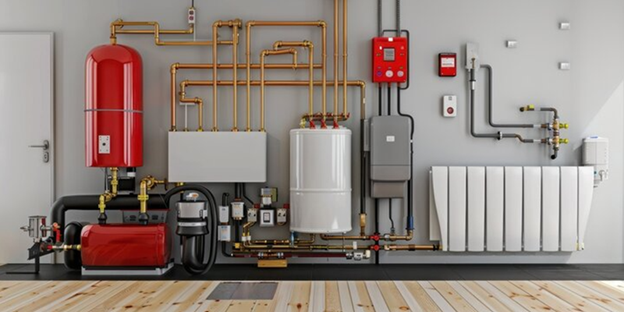
If your home isn’t as cozy as you’d like despite high heating bills, or if your boiler is old and unreliable, it may be time to consider an upgrade which can improve home comfort in multiple ways. This guide covers the benefits of new boilers, types of boilers, efficiency benefits, technology features, installation tips, and common concerns, among many others. Why a new boiler might be one of the best upgrades for your home is the focus of this deep dive.
Signs It’s Time for a New Boiler installation
Old or outdated boilers stress your energy budget and can compromise comfort and safety in the house-even worse. We’ve prepared this helpful guide on how to Improve Your Home Comfort with a New Boiler. Following are the signs that it is probably time for its replacement.
You can visit the our website to use the service boiler installation and repair in Burnaby
- High Energy Bills: If your energy costs are creeping up despite consistent use, it could mean your boiler is losing efficiency.
2. Frequent Breakdowns: When repairs are frequent, it means your boiler is living on borrowed time, especially when the cost of these repairs start piling up to the point where buying a new boiler would be more cost effective.
3. Temperature Swings: Won’t stay on one temperature? Cold and warm rooms or temperatures that more often change than stay constant are mostly due to an old boiler. - Clanging, hissing, whining noises: Older boilers tend to develop strange noises, such as clanging, hissing, or rattling, which might be signs of worn-out parts or sludge gathering.
- Limited Control: Most of the older models lack the controls and features offered by programmable thermostats or even mobile connectivity in regard to comfort and efficiency settings.
Early recognition of such signs will avoid the stress of a boiler breakdown during the coldest months and keep your home warm, safe, and comfortable.
How a New Boiler Enhances Home Comfort
1. Consistent and Reliable Heat
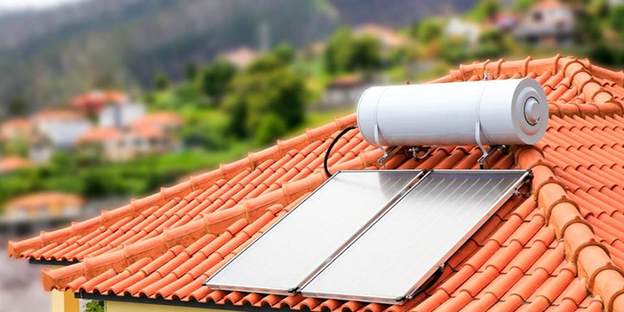
Two of the major benefits of a new boiler are in how even the heat distribution is throughout your home. Most older boilers have “cold spots”-parts of the home that do not get as much heating. A new, more efficient boiler will make sure the temperature is consistent across each room, so no more having to deal with an extra hot room when other rooms in the house are cold.
2. Quick and Reliable Hot Water accessibility
New boiler models, mostly combi and system boilers, feature instant hot water. That is, no more waiting for a reheating tank or running from hot water in the middle of your shower. This consistent supply applies mostly to larger households where quite a number of showers or hot water may be needed at the same time.
3. Safety Features Enhanced
The modern boilers include modern safety features, like an incorporated detector of carbon monoxide, automatically switching off in case of overheating, and more durable materials. As a result, new boilers are much safer, which actually means that the harmful emissions and boiler malfunction are reduced.
How to Select the Right Boiler Type for Your House
The proper choice of boiler type depends on the layout of a house, its size, and heating demands. In the following section, we will discuss how to select the right boiler type and Improve Your Home Comfort with a New Boiler. Each of the boiler types is suitable for different types of households owing to their respective merits.
1. Combination (Combi) Boilers
Combi boilers are some of the most popular types of boilers since they are convenient, efficient, and compact in their design. They do not require additional water tanks or cylinders; they heat the water right from the mains when turned on.
Ideal for: small to medium-sized homes, usually with one to two bathrooms.
Advantages: Small, inexpensive, and hot water supply at all times.
Drawback: Unsuitable for homes with high demands for hot water, or when multiple bathrooms are in use simultaneously.
2. System Boilers
Because they have hot water stored inside a separate cylinder, system boilers can supply hot water from more than one outlet simultaneously without any loss of pressure. They are normally set up in bigger residences featuring more than one bathroom.
Ideal for: Medium- to large-capacity households with a lot of bathrooms.
Benefits: Provides consistent pressure of hot water to several faucets or showers simultaneously.
Disadvantage: It requires more space because the hot water cylinder is separate.
3. Conventional (Regular) Boilers
Also known as a regular or traditional boiler, conventional boilers are ideal for properties that already have a heating system in place where you have a separate hot water cylinder and cold-water tank. In most instances, conventional boilers suit homes that were built a while back, especially since they can work well in tandem with traditional radiator setups.
Ideal For: Large homes with high hot water demands.
Advantages: It supplies hot water with great reliability to residences with a large number of bathrooms and can also perform with several outlets running simultaneously.
Disadvantage: A cylinder and a cold-water storage tank require much more space.
How a New Boiler Boosts Energy Efficiency
1. Lower Heating Bills
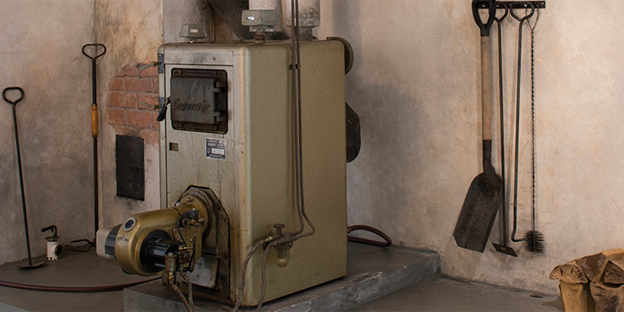
Replacing an older boiler with a high-efficiency model could save up to 30% on heating costs, and that amount will make some difference on your monthly energy bill. To put this into a practical example, if your present boiler is only 70% efficient, then it would be well worth your while upgrading to a modern model with at least 90% or higher efficiency, which will cut down the heating expenses quite significantly.
2. Eco-Friendly Heating
New boilers will burn fuel more cleanly and efficiently, producing fewer carbon emissions. Many are designed to meet the strict NOx emission standards-nitrogen oxide-and help to lower the environmental impact of home heating.
Advanced Boiler Controls for Optimized Comfort and Convenience
1. Weather Compensation
The weather compensation systems automatically adjust the boiler output as dictated by the outdoor weather conditions, thereby not overworking on a mild day or underperforming when it’s extremely cold outside. These features save energy by adjusting the heating output based on the actual need and not just to maintain a fixed temperature.
2. Zoning Systems
A zoning system puts your home in a number of heating zones. It controls and regulates the different heating zones separately. This is suitable for big homes where not every room is to be utilized all the time. For example, you can make your bedroom warm during night time by increasing the heat in your bedrooms.
Conclusion about how to Improve Your Home Comfort with a New Boiler
A new boiler adds comfort to living in one’s home, results in energy efficiency, and saves a lot of money after some time. Along with smart thermostats, quiet operations, and constant hot water, it pays for itself much faster. If anyone wants to invest in a better quality of life by reducing energy expenses, then upgrading to a modern boiler is worth considering.